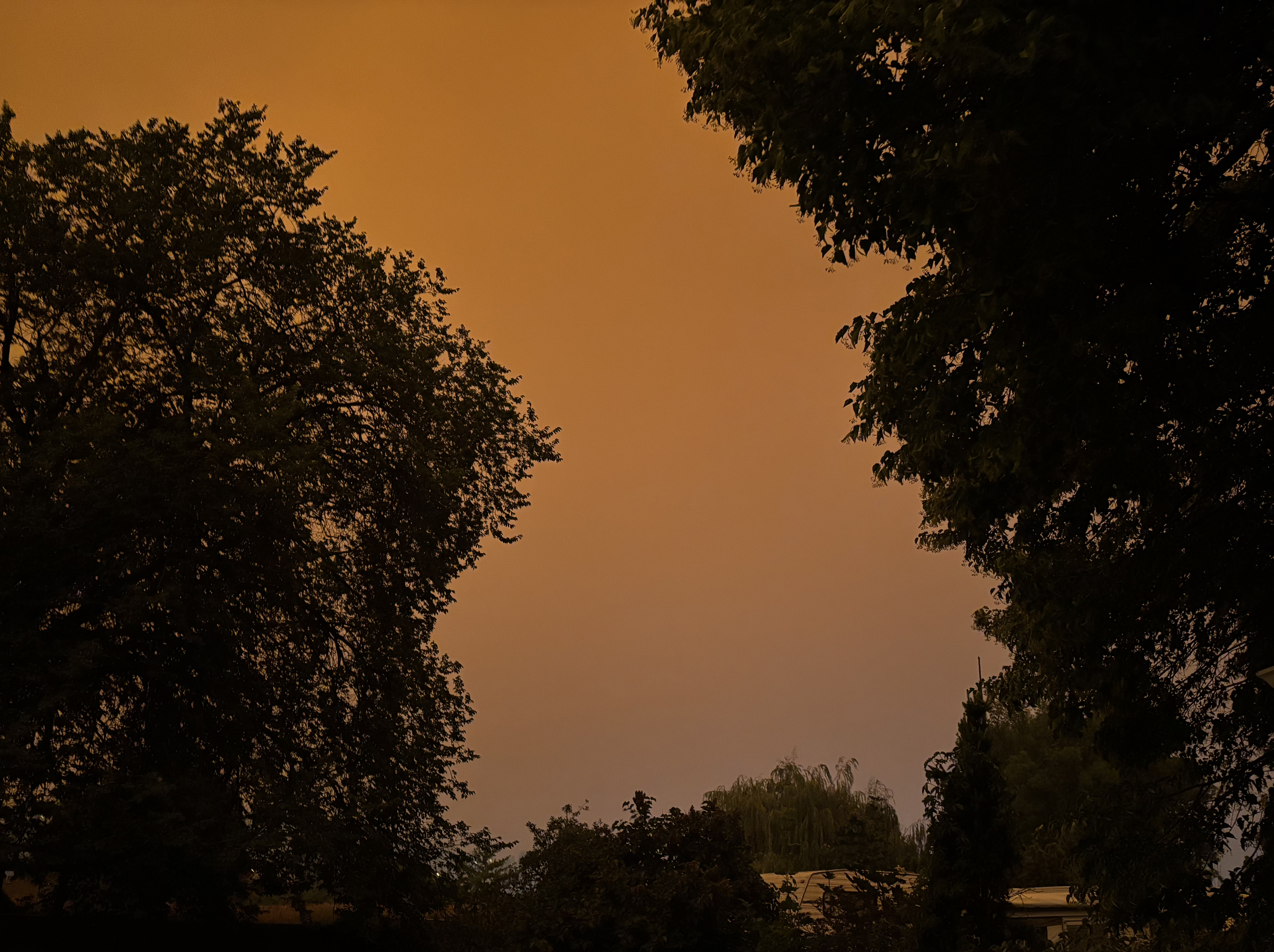

Each week during the wildfire season, Dr. Mike Flannigan will share a five- to 10-day fire weather outlook for Canada. This is a first step in developing a national early warning system for wildfire in Canada. The fire weather outlook will be posted every Tuesday.
Mike Flannigan is the scientific director of the Institute for Wildfire Science, Adaptation, and Resiliency as well as the BC Innovation Research Chair in Predictive Services, Emergency Management and Fire Science at Thompson Rivers University.
View bioWeekly Outlook | Sept 12-17, 2026 Issued September 8, 2026
All information provided below is reported at the time of publication and may not reflect more recent updates.
Current fire situationMostly all quiet
The fire situation is mostly quiet across the country except parts of the NWT. Figure 1 shows active fires near Fort Simpson yesterday. As we move into September the lightning season winds down and this means most fires are human-caused and human-caused fires are preventable. Check out the (see the A Look Ahead section below to see what we might expect in terms of fire weather for the rest of Autumn.
Fire weather outlook September 12-17, 2026
The quiet fire weather trend continues for the next 10 days for most of Canada. Once again, southern NWT may continue to be active given the many active fires on the landscape. Extreme southern BC may also see some conducive fire weather conditions during the outlook period. The numerical models want to bring a significant upper ridge centered over Saskatchewan by the end of the outlook period and if the forecast is correct, it will bring hot, dry weather to AB, SK, MB and the NWT. Something to keep an eye on though the longer-range forecasts have been quite variable lately.
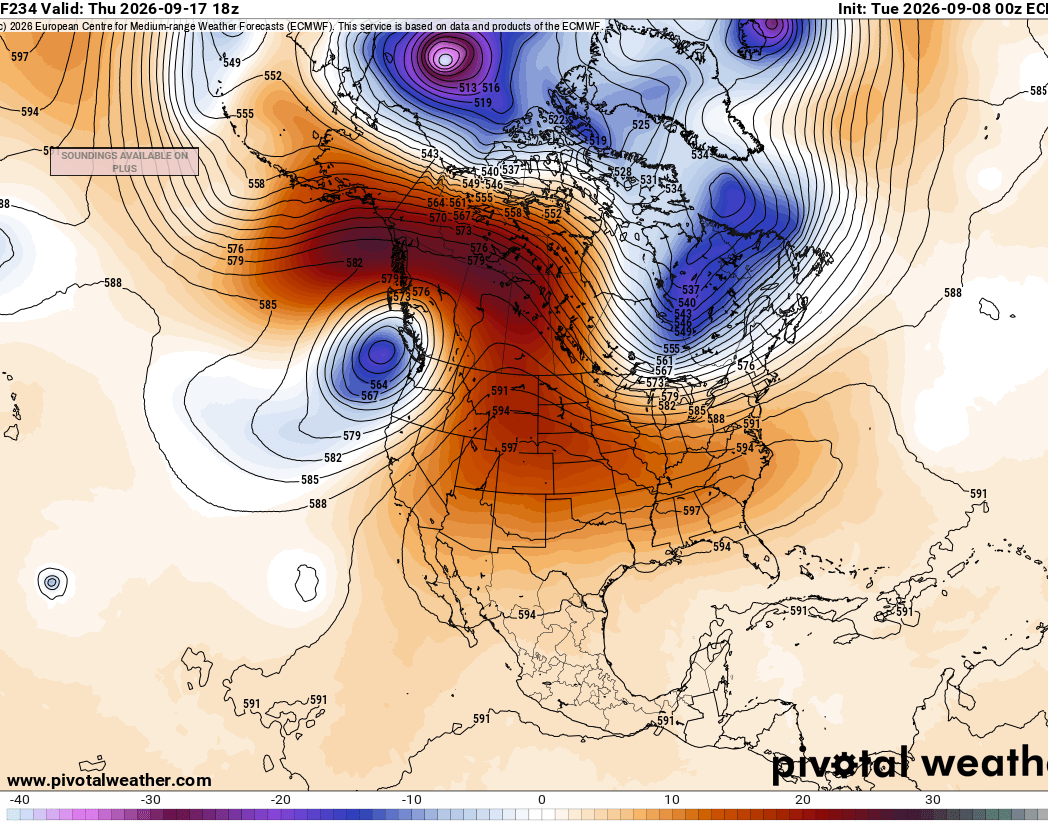 Figure 2. ECMWF 500mb height and anomaly for Thursday Sept 17, 2026.
A look ahead
The updated October – December ECMWF outlooks are now available. Figure 3 shows the 2m seasonal temperature anomaly outlook for North America and almost all of Canada is expected to be warmer than normal. The seasonal precipitation anomaly outlook for October – December is shown in Figure 4, and the far north is expected to have more precipitation than normal whereas southern areas of Canada are expected to have normal to below normal precipitation. Seasonal precipitation forecasts are often not very reliable though during El Nino events they can be more reliable.
A note for Alberta, in 1997 (a strong El Nino) there were active fires in December near Hinton and this year there is a 90% chance of a strong El Nino. Something to watch this year in the Rockies and foothills of Alberta.
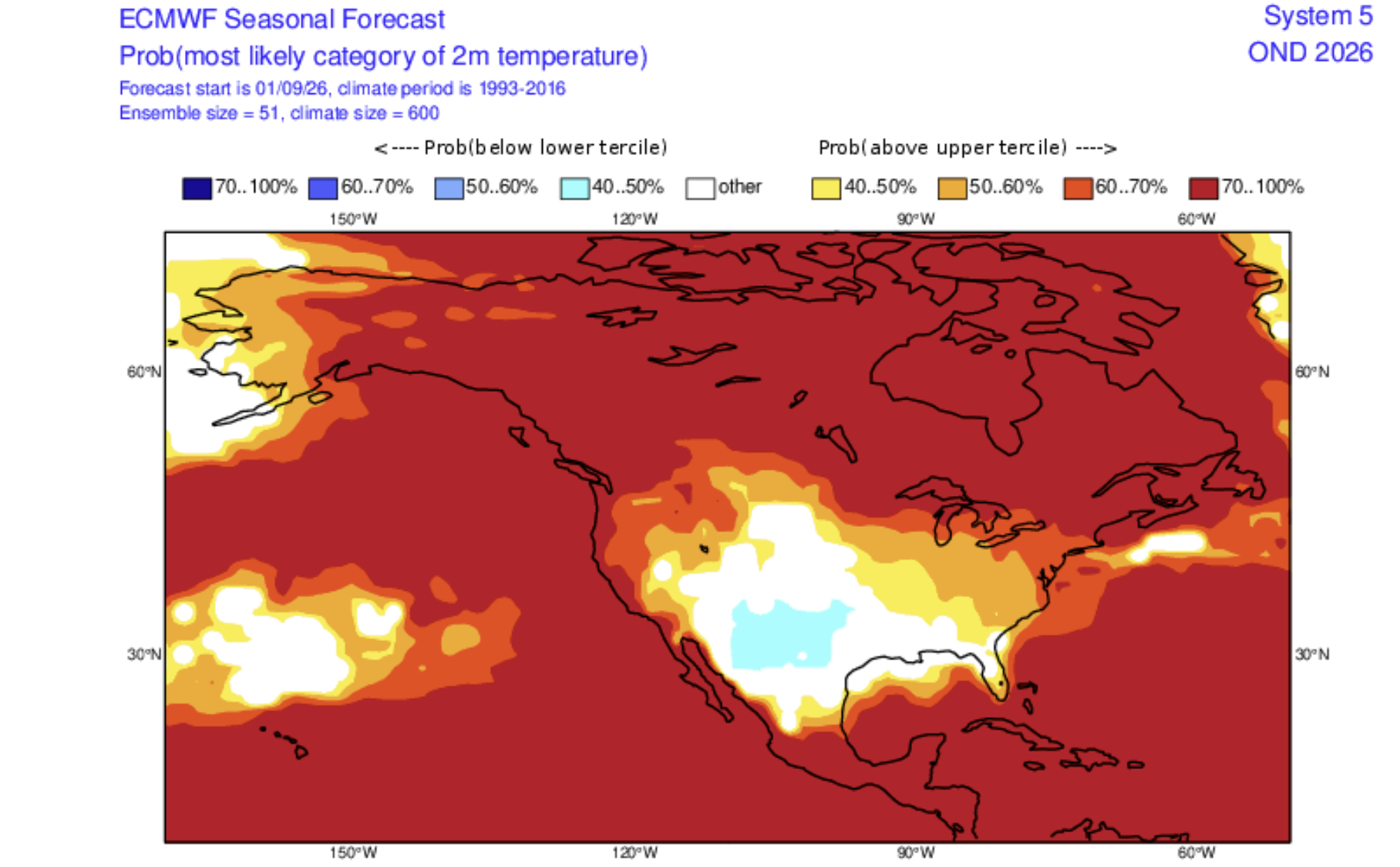 Figure 3. ECMWF October – December 2m temperature anomaly outlook. ECMWF | Charts
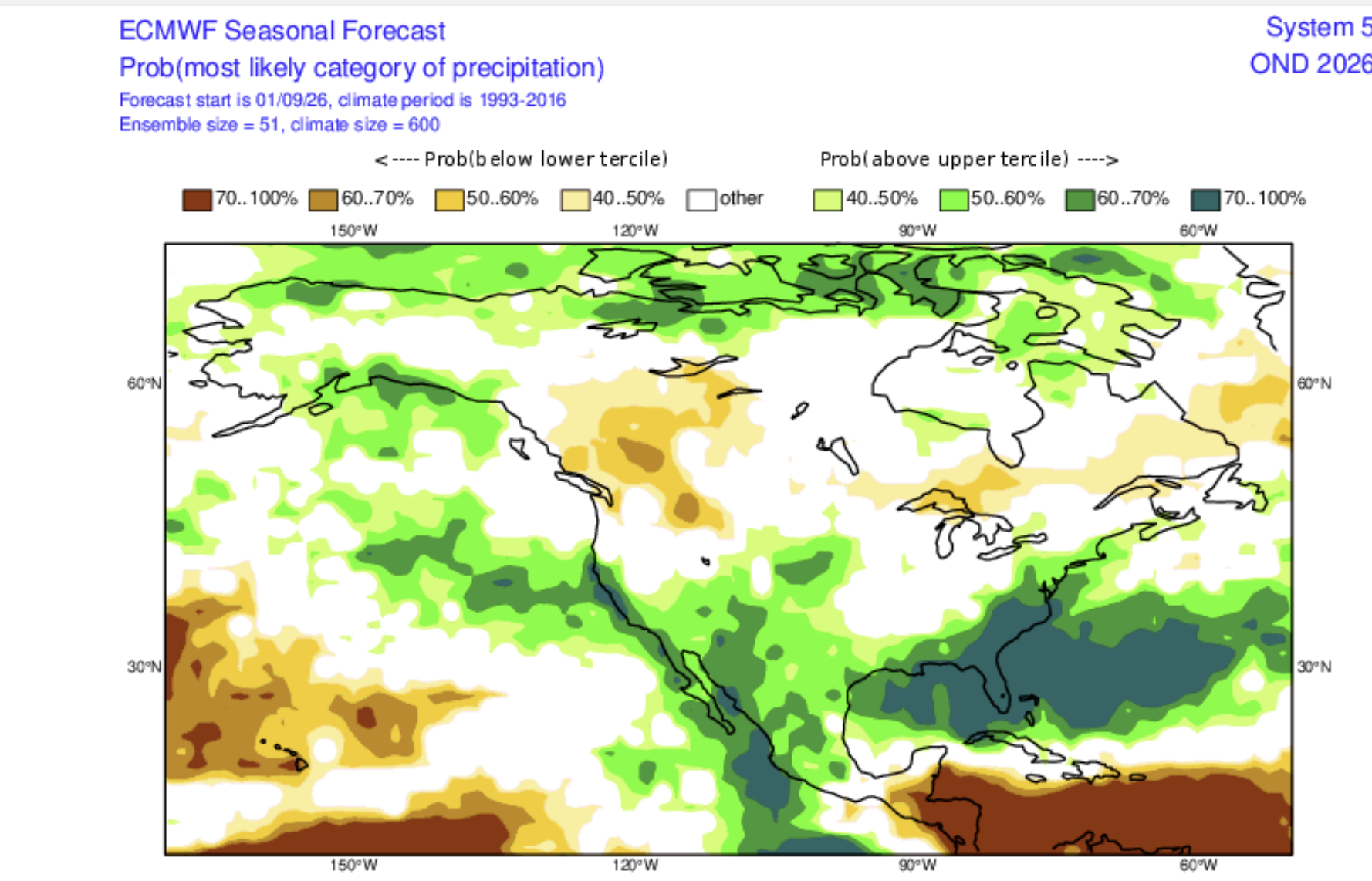 Figure 4. October – December precipitation anomaly outlook. ECMWF | Charts
Useful Websites Fire site(s)
This week I will suggest a website for fire information in Canada. The Canadian Interagency Forest Fire Centre (ciffc) site has a wealth of information (ciffc.ca). The current situation is covered in detail in the situation report (ciffc.net/situation/2026-09-07) and there is an archive (ciffc.net/situation/archive). The site has links and social media sites for all the fire management agencies across Canada (ciffc.ca/officialresources). There are many other useful items on the website including publications that include Canada Reports (annual updates), glossary and a ciffc directory. Check the website out when you have a chance.There is a National Interagency Fire Center (NIFC) website that provides lots of information on the fire situation in the USA (www.nifc.gov).
Weekly forecast history
August 2026
July 2026
Questions?We have the answers
Questions, including media requests for Mike Flannigan, can be emailed to wildfire@tru.ca.
Want to keep up with fire weather and fire activity? Check out @mikeflannigan.bsky.social.
Subscribe to the Canada fire weather outlook